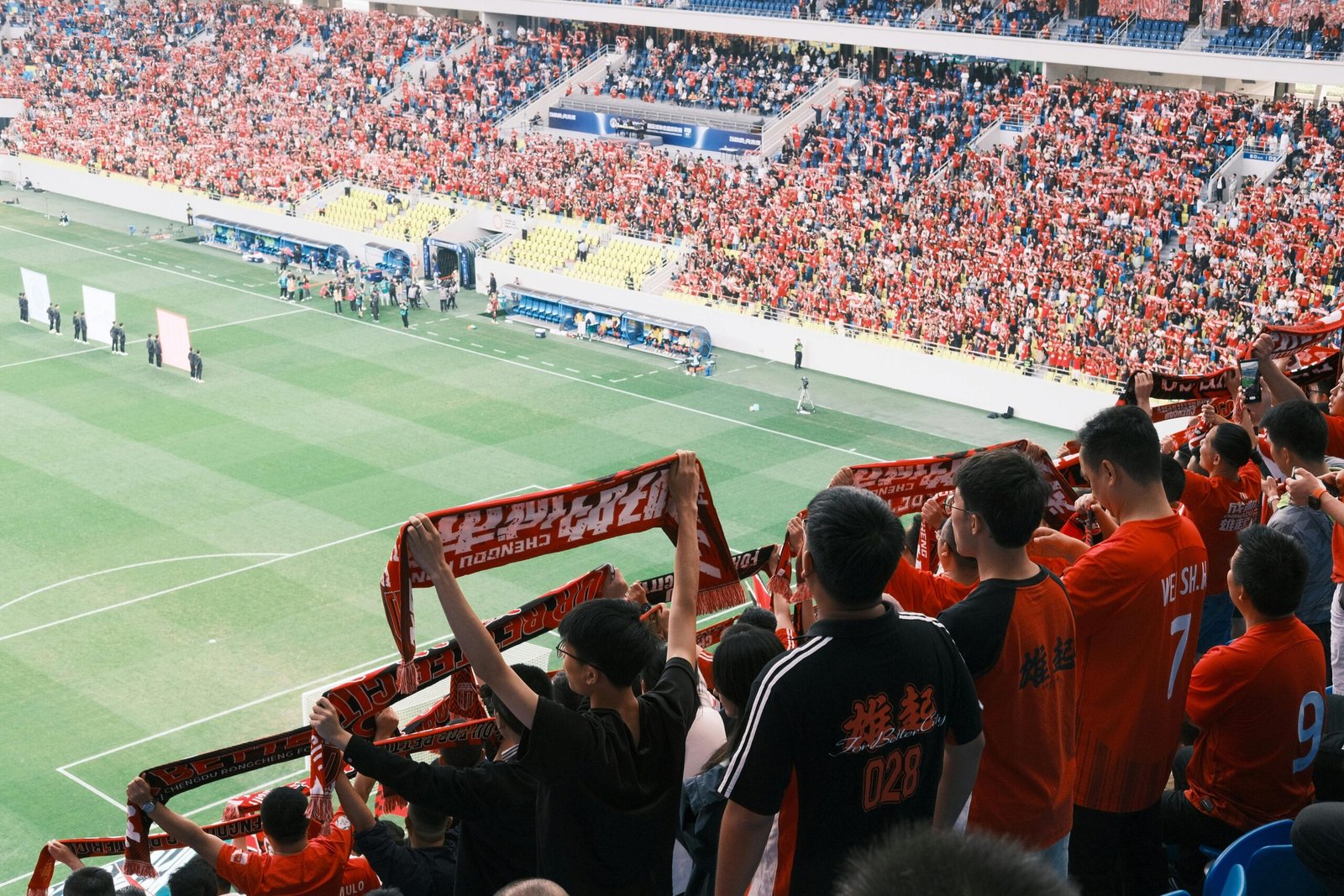
Next goal in live football prediction is a market that asks which team will score the next goal in the match. It does not ask who will win the game. It does not ask how many goals will be scored overall. It only asks which side gets the next one. That makes it a fast in-play market that can change from minute to minute as the match moves. If you want the pre-match version of the same opening read, team to score first is the closest cousin.
For example, if the score is 1-0 and the away team scores next, the away side wins the next goal tip, even if they still go on to lose the match later. If the match ends with no more goals, the tip usually loses because there was no next goal at all. That is why timing matters so much in live prediction.
What next goal means
The next goal market is built around the next scoring event after you place the tip. You are choosing one of the two teams, and your selection is only correct if that team scores the next goal before the match ends. If the other team scores first after your tip, your selection loses. If the game finishes without another goal, the tip also loses in standard settlement rules.
This is different from pre-match total goals prediction because the live score changes the picture. If you want the broader scoring view, team total goals shows how many goals a side may score overall. A team that is already leading may become more defensive, while the trailing side may push forward and create more chances. The market is therefore tied to game state, not only team quality.
How the tip settles in live play
When you place a next goal tip, the tipster locks in the current match state. If no goal has been scored yet, the next goal is simply the first goal of the game. If the score is already 1-1, then the next goal is the third goal of the game. The settlement always follows the next scoring event after your tip, not the opening goal of the match.
If your chosen team scores the next goal, you win. If the other team scores the next goal, you lose. If the match ends before another goal is scored, you lose as well. Some tipsters may refund void tips if the market is suspended incorrectly or if a match is abandoned, but the ordinary rule is straightforward: the next goal must happen and it must come from your selected side.
Simple live examples
- The match is 0-0 and you back Team A. Team A scores next, so the tip wins.
- The match is 2-1 and you back Team B. Team B scores next, so the tip wins.
- The match is 1-1 and you back Team A. Team B scores next, so the tip loses.
These examples show why the market is so reactive. You can be right about the next move even if the full-time result later goes in a different direction.
Examples of next goal outcomes
Imagine a match where the favorite starts slowly and the underdog is pressing with more urgency. A bettor may see the underdog creating corners, forcing saves, and controlling possession. In that moment, backing the underdog for the next goal can make sense. On the other hand, if the leading team is dominating territory and creating repeated chances, backing the next goal for that side may be the better live read.
What matters is not reputation alone. Live football is about current momentum, shape, and risk. A team can look strong for ten minutes and then lose control after a red card, substitution, or tactical change. That is why next goal prediction rewards close observation more than simple pre-match assumptions.
Difference between next goal and first scorer markets
People often mix up next goal with first scorer. They are not the same. First scorer is about the player who scores the first goal in the match. Next goal is about the team that scores the next goal after your tip is placed. The player market cares about who finishes the chance. The team market cares only about which side scores.
Next goal is also different from prediction on the eventual winner. A team can score next and still fail to win the match. Likewise, a team can lose the next goal market and still come back to win the game. That separation is what makes the market useful, but it also makes it easy to misunderstand.
When to avoid this tip
This market can be dangerous when the match is chaotic but unpredictable. If both teams are creating chances in waves, one mistake can flip the outcome quickly. It is also risky when the game is about to slow down, for example if a team is protecting a lead late on and there is little time left.
You should also be careful when the match is near halftime or full time because there may not be enough time for the next goal to arrive. Even if a team looks likely to score, the clock can beat the chance. In live prediction, time is part of the price.
The best way to use next goal is to treat it as a live reading of momentum, not a guess. Watch the game, check who is pressing, and remember that the market ends with the next goal or the final whistle.