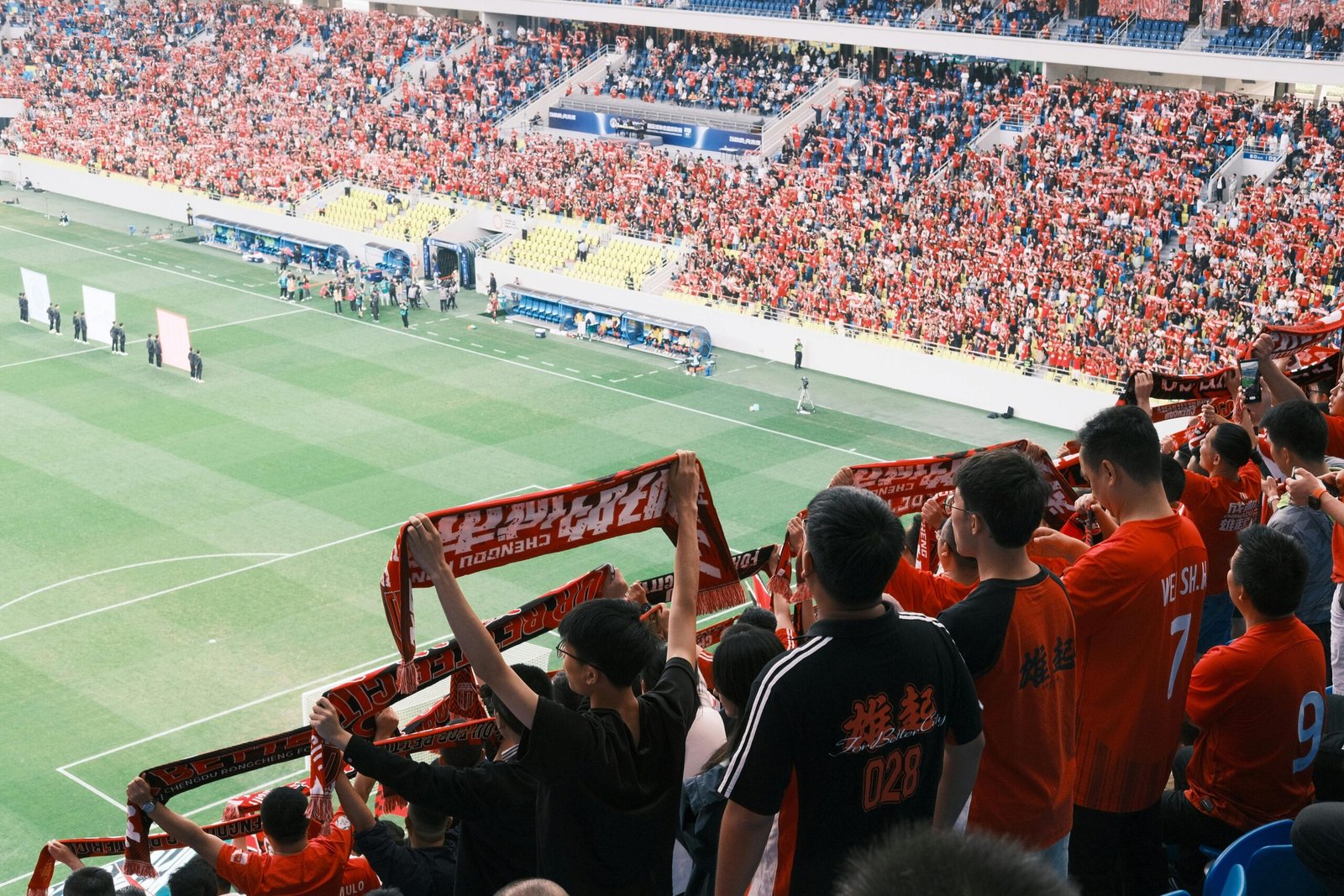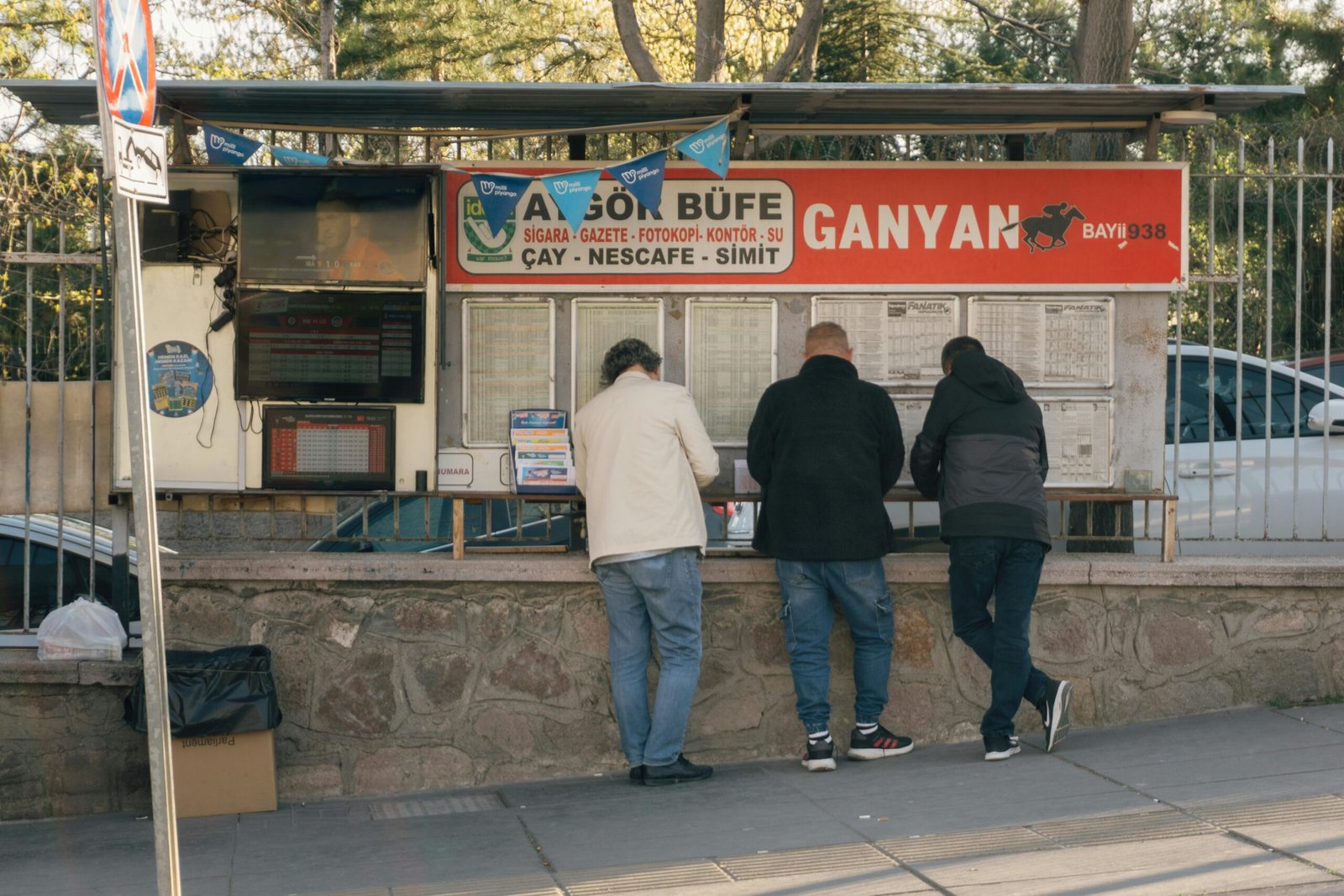
Cash out is one of the most useful features on a modern prediction slip because it gives you a choice before the event is over. Instead of waiting for the final whistle or buzzer, the prediction platform may offer you a set amount to close the tip early. That amount can go up or down as the event changes.
So what does cash out mean on a prediction slip? It means settling your tip early for an offered return instead of letting it run to the final result. If the offer is acceptable, you can take it and walk away. If not, you can leave the tip open and keep waiting for the original outcome.
Cash out is common on singles, accumulators, and same game builds. It is especially noticeable in live prediction, where the offer can change quickly as goals, points, or late pressure alter the risk. If you want related concepts, see parlay, accumulator, and tip builder.
How Cash Out Works
The feature works as an early settlement option. If your tip is in a favorable position, the prediction platform may offer a price that reflects the current chance of winning. If your tip is in danger, the offer may be lower because the book is taking on the remaining risk. The offer is not a bonus. It is a tradeoff.
That tradeoff matters. If you cash out, you give up the chance to win the full original payout. In return, you reduce the uncertainty. Some bettors like that. Others prefer to let the tip run because they want the full upside. Neither choice is automatically right. The best option depends on the situation and your goal.
How the feature works during a tip
Imagine you have a football accumulator with two selections alive and one left to play. The prediction platform may offer a cash out amount before the final match starts or during the match. In a basketball example, a live total may be close to landing and the book may present a cash out button if the event swings in your favor.
The amount offered changes with the live position of the tip. If your slip looks stronger, the offer may rise. If it looks weaker, the offer may fall. That makes cash out dynamic, not fixed. You are not choosing between one absolute number and one result. You are choosing between a current offer and the original possibility of waiting.
- Early cash out: settle before the event ends.
- Higher offer: usually appears when the tip is in a better position.
- Lower offer: usually appears when the tip is struggling.
- Final decision: keep the tip or lock in the current return.
When cash out can make sense
Cash out can make sense when the prediction slip has already moved well in your favor and the remaining risk no longer feels worth it. It can also make sense if you simply do not want to sit through the last part of the event. Some bettors use it to protect a partial win. Others use it to avoid turning a good position into a loss.
It can be useful in events with fast swings. A football match can change on one goal. A basketball game can change on one run. If you think the remaining time carries more risk than you want, cash out can be a practical exit.
That said, cash out is not free money. The prediction platform is building in a margin, so the offer is usually below the maximum possible return. If you use it often without thinking, you may give up value over time.
When leaving the tip alone may be better
Sometimes the best move is to do nothing. If your original read on the event is still intact, cashing out early can reduce your potential reward for no good reason. A bettor who cashes out too quickly often locks in a smaller return just before the tip would have landed naturally.
That is why the feature should be treated as a tool, not a default setting. It is there to manage risk, not to replace the original tip. If the final phase still suits your prediction, letting the tip run can be the better choice.
For example, if you have a parlay with one final selection left and your read has not changed, cashing out may not be necessary. But if the match has shifted and you no longer like the position, the option can help you avoid a full loss.
Common beginner mistakes
The biggest mistake is assuming cash out is always smart because it removes risk. That is not true. It removes risk by reducing your possible return, and sometimes the cost is too high. Another mistake is treating the offer as fixed instead of live. It can change quickly as the event changes.
It also helps not to confuse cash out with a guaranteed profit. It is only a guarantee of the amount offered at that moment. The amount may be less than what you could have won by waiting, so the choice should be deliberate.
Good questions to ask before cashing out
- Has the event changed enough to weaken my original view?
- Is the current offer acceptable compared with the remaining risk?
- Would I rather protect part of the stake or keep chasing the full payout?
- Does the tip still make sense if I let it run?
In simple terms, cash out means accepting an early settlement offer on your tip. It can reduce stress and lock in value, but it also trades away some upside. That is why it should be used with a clear reason, not just because the button is there.